-
When we think of amusement parks, we imagine the thrill of a first drop, the smell of popcorn in the air, and the soundtrack of a perfect summer day. We don’t usually see the people behind the curtain, who keep things running smoothly so guests can focus on the fun. One of those people is Eric Mosher.
Mosher worked at Silverwood Theme Park in Idaho for over ten years. Silverwood operates seasonally as the largest theme park in the Northwest, transforming from a quiet winter landscape into a high-energy summer destination. Over a decade, Mosher moved from ride operator to manager, becoming the go-to person when things got hectic.
“If something went wrong, a ride delay, a staffing gap, a guest issue, I was usually called to fix it,” Mosher said.
Meet the Expert: Eric Mosher

Eric Mosher is a former operations manager at Silverwood Theme Park in Athol, Idaho. He started as a ride operator and worked up to a leadership position managing day-to-day operations, guest experience, and team coordination. With ten years in the amusement industry, Mosher brings hands-on expertise in technical operations and park culture.
(asked for no image of himself)
A Job Built on Motion
Silverwood is a seasonal park, which means the stakes are high during its open months; everything needs to work, and there’s little room for mistakes. Mosher’s role required continuous problem-solving. From coordinating staff schedules to stepping in on mechanical issues, he often juggled multiple departments simultaneously.
“It’s controlled chaos,” he said. “But when the team is working together, it works.”
This flexibility became one of the most essential parts of the job. It wasn’t just about maintaining running rides and ensuring guests felt cared for, even when plans changed.

Leading With Guest Experience
Even behind the scenes, Mosher’s focus was always on the guest. He emphasized the significance of small exchanges, a staff member helping a confused family, suggesting tips for a nervous child’s first coaster, or smoothing out a long wait with a kind word. These micro-moments, he explained, make a lasting impression.
“You can’t script it,” Mosher noted. “But you can train people to care.”
His leadership helped cultivate a team culture where seasonal employees returned year after year, a testament to the strong inner community he helped create.
Lessons From the Backstage
“What makes this kind of work rewarding,” Mosher said, “is seeing how all the small moving parts come together. It’s not about specific moments; it’s about ensuring that thousands of guests feel happy each day.”
Mosher’s decade at Silverwood shows how much behind-the-scenes effort goes into what guests consider effortless fun. His story reminds us that the magic of theme parks isn’t just in the thrills. It’s in the people who make them possible.
-
I love theme parks, the scents, the soundtrack loops, and the immersive lands. They are the perfect balance of fantasy and logistics. But despite my enthusiasm for all things themed amusement, there are some rides I won’t touch. Not because they’re poorly designed, most of them are technological wonders with many fans, but because they aren’t for me.
This is an essential lesson for any guest and park PR teams. You can construct an award-winning attraction, but not every experience will resonate with every audience. Guest experience is personal in every way. Here’s my honest, experienced reflection on the rides I skip every single time.

Finding Nemo Submarine Voyage – Disneyland
The storytelling here is definitive Disney: familiar characters, ambient sound, and an underwater expedition filled with hidden details. But from a guest comfort standpoint, it’s not for everyone. The cramped, humid interior and low seating of the attraction create a physically uncomfortable experience, especially for anyone prone to claustrophobia or underwater sensitivity. For me, it’s less “under the sea” and more “trapped in an enclosed space.” I admire the creativity but I’ll enjoy the lagoon’s beauty from afar.
Logger’s Revenge – Santa Cruz Beach Boardwalk
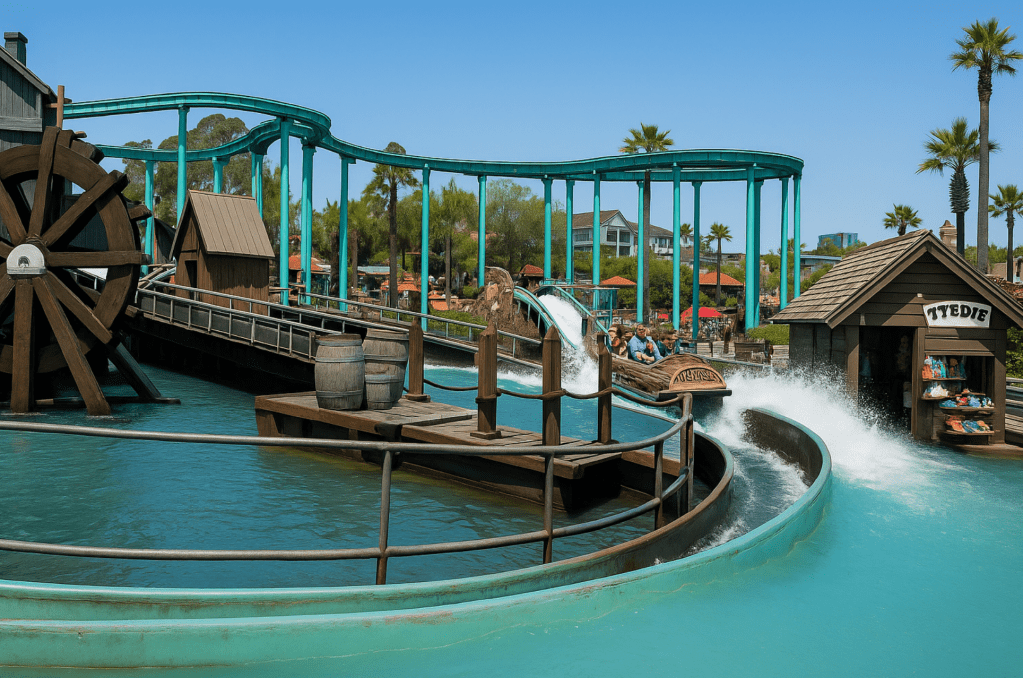
Logger’s Revenge is a nostalgic classic. The coastal air, the creaky log flume, the splashdown ending, it feels like summer. But let’s be honest: you get drenched, not just splashed. I’d rather stay dry unless it’s a scorching day with a towel nearby. The Boardwalk markets fun, not discomfort; wet socks are an instant mood drop for me. I’ll be cheering from the bridge, Dip in Dots in hand.

Mission: SPACE (Orange) – EPCOT
There’s a reason this ride comes with a thorough health warning. Mission: SPACE simulates fierce G-forces meant to imitate a real rocket launch. It’s one of Disney’s most technologically state-of-the-art rides, and the realism is remarkable, but so is the nausea. For many guests (myself included), it crosses the line between thrilling and threatening. I respect the engineering and storytelling, but I’m on team Green, the gentler version, or just team “Let’s go to Test Track instead.”
Supreme Scream – Knott’s Berry Farm

I appreciate gravity. Honestly, I do. But Supreme Scream takes that appreciation and turns it into pure panic. This towering drop ride launches you 252 feet into the sky, letting you plunge back down at terrifying speed. For some, that stomach-lurching free fall is the whole appeal. For me? It’s a hard no. I love speed, inversions, and a good launch, but the straight drop with no track, loops, or portrayal? That’s where I draw the line. Supreme Scream does precisely what it promises, so I’ll be cheering from the ground.
Why This Matters
It’s easy to feel you must love every ride to be a true fan. But guest experiences are deeply individual, and that’s something brilliant park developers and PR teams understand. The best parks aren’t just filled with crowd-pleasers; they offer a diverse mix of thrills, chills, calm escapes, and story-driven experiences that meet guests where they are.
So, there is no shame in skipping the submarine or walking past the water ride. Knowing what you do and don’t enjoy is part of curating your ideal park day. Honestly, that kind of self-awareness might be the best park hack available.
https://disneyland.disney.go.com/attractions/disneyland/finding-nemo-submarine-voyage/
https://www.knotts.com/rides-experiences/supreme-scream
https://disneyworld.disney.go.com/attractions/epcot/mission-space/
-
Classic California day of sun, rides, and memory-making magic
There’s a specific smell within the salty ocean air in the summertime in California. Sunscreen, rides opening, and funnel cake; just like that, it’s officially Santa Cruz Beach Boardwalk time. Nestled along the California coast since 1907, this park is more than just an amusement destination; it’s a living postcard of coastal nostalgia. In a world of towering steel coasters and new high-tech thrills, the Boardwalk has carved out its own space in the amusement world by leaning into a different kind of ride: memory.
The Santa Cruz Beach Boardwalk doesn’t just market tickets, it sells emotions. This free-entry, on-beach park succeeds in accessibility and emotional branding. Its greatest strength is that it doesn’t need to compete with Universal’s holograms or Disneyland’s massive IPs; it just needs to remind guests what summer feels like. This is exactly what Boardwalk’s PR and marketing does.
Step onto the Boardwalk and the story unfolds

Kids run barefoot between arcade games and corn dog stands. Teens line up for the infamous Giant Dipper, a wooden rollercoaster jostling thrill-seekers since 1924. Families relax out on the sand after a spin on the Sky Glider. Each corner of the Boardwalk serves a purpose, not just for fun, but also for belonging.
PR Standpoint
From a public relations perspective, the Boardwalk’s strategy is a good lesson in seasonal storytelling. Boardwalk’s media in the summertime highlights “classic fun in the sun,” beach games, retro filters, and events like free Friday night concerts, creating a narrative where anyone can plug themselves into the Beach Boardwalk experience. Their brand voice is light, approachable, and very nostalgic, and their content strategy leans into user-generated content, such as tagged posts, photo contests, and reels. These reflect the park through guests’ eyes and are a great promotion.
Santa Beach Boardwalk also excels at balancing old and new aspects of the park. The historic charm of rides like the Giant Dipper and the Looff Carousel is highly celebrated and not downplayed. At the same time, recent additions such as laser tag and modern arcade areas draw a new generation. This PR positioning allows them to serve tradition and novelty, a rare blend in the theme park world.
Overall
In an age where parks fight for attention with ever-bigger thrills, Santa Cruz Beach Boardwalk keeps it simple: a sunny day, a scoop of Dip n Dots, and a view of the waves. And sometimes, that’s more than enough.
Follow Santa Cruise Beach Boardwalk to not miss a thing!

-
Within a theme park, infographics aren’t just a helpful visual; they are a powerful PR means. Whether advertising a new app, showing off a year of box office wins, or spotlighting corporate social responsibility (CSR), a well-made infographic can turn a jumble of numbers into a compelling, visual story.
This week, we are diving into three Disney-produced infographics that effectively convey complicated information to a broad audience. Each infographic ties into Disney’s entertainment branding, family-focused storytelling, or theme park campaigns. I’ll explain what works in each and how I plan to apply those techniques in my infographic project.
Where’s My Water?
This celebratory infographic showcases the iconic mobile game: Where’s My Water? The infographic is about the game’s first year; it has bright visuals and a party-like layout with several game characters throughout it.
- Visual scale: The layout moves top to bottom with circular frames, pipes, and bubbles organizing the content. Key stats like “100 million downloads” stand out through a bold, oversized font.
- Color choices: Bright teal, orange, and purple match the app’s palette while helping visuals pop against the brick background.
- Typography: Rounded, easy-to-read fonts enhance the playful vibe. Significant numbers and information are larger, bolder, and closer to the top, guiding the viewer’s eye.
- Balance of text and visuals: Each stat matches with an icon or character. While packing in a lot of data, the infographic never feels muddled.
- Storytelling with data: This feels like a birthday card for the app; it’s fun, unique, and emotionally celebratory.
A design tip takeaway is to communicate data as a milestone. Whether it’s downloads or guest feedback, the tone matters as much as the numbers shown.
Disney’s Connecting Kids and Nature
This infographic concentrates on Disney’s goal of helping kids connect with nature through its environmental outreach.
- Visual hierarchy: Put into three main sections, Create Experiences, Remove Barriers, and Raise Awareness, followed by a bold “38 million kids impacted” stat.
- Color choices: Earth tones, such as green, tan, and red, tie into the outdoors theme while creating a soft contrast and tranquility.
- Typography: Simple, modern, and readable fonts make the message accessible. Significant numbers are placed in color blocks for emphasis.
- Balance of text and visuals: Warm illustrations of kids outdoors uphold the message and keep the tone family-focused.
- Storytelling with data: Instead of just communicating numbers, the infographic emphasizes why those numbers matter; connecting nature, kids, and Disney’s mission.
Design tip takeaway: When the statistics center on people, reflect that in visuals. Use characters or icons to represent real-world impact in designs.
Disney Studios’ Record-Breaking 2016
This snazzy infographic celebrates Disney’s blockbuster year across all its film studios.
- Visual hierarchy: The $7.6 billion global stat is front and center, with backing categories like domestic, international, and global organized below.
- Color choices: Red, blue, and gold emulate a classic theater feel, setting a celebratory and entertainment-focused style.
- Typography: Big, bold, and cinematic. The fonts reflect Disney’s branding while staying scannable.
- Balance of text and visuals: Movie characters dock each statistic, Dory, Captain America, and more, making the numbers feel interconnected with the audience.
- Storytelling with data: This infographic turns bare revenue into a stimulating success story across genres, studios, and audiences.
Design tip: Don’t be afraid to make the data feel big. If the message is “we crushed it,” the infographic should mirror that energy.
Why Infographics Matter in Amusement Park PR
All three infographic examples show why infographics are more than design; they’re a strategy. In theme park and entertainment PR, infographics:
- Break down complex numbers in engaging, entertaining ways
- Keep messaging on-brand by using color and personality
- Tell the inspirational stories behind the data
- Help content get shared across social, print, and web platforms
For future infographics, plan to use:
- A top-down format for easy scanning
- Branded color palettes that match the topic
- Visual icons or characters to match the story
- A clear message that relates emotionally to the audience
Here are links to the real Infographics!
https://thewaltdisneycompany.com/infographic-swampy-the-alligator-to-celebrate-one-year/
https://thewaltdisneycompany.com/infographic-disney-helps-connect-kids-and-families-to-nature/

-
When people think about public relations in theme parks, striking commercials or viral influencer stunts usually come to mind. However, some of the most convincing PR work happens far from the marketing office and inside the gates.
Seasonal events like Halloween Horror Nights, Dollywood’s Smoky Mountain Christmas, and Disneyland’s Lunar New Year aren’t just festive additions to the calendar. They’ve become valuable tools for storytelling, community engagement, and brand identity. These limited-time celebrations enable parks to connect emotionally with guests and foster loyalty that extends far beyond a single visit.
More Than Just Ticket Sales
Yes, seasonal events bring revenue, especially during slower months. But they also do something more resounding: expand what a park means to people.
Take Universal Studios’ Halloween Horror Nights, for example. It transforms the brand into something dark, immersive, and culturally relevant. It taps into horror fandoms, meme culture, and experiential storytelling, demonstrating that Universal can be edgy and current.
Compare that to Dollywood’s Smoky Mountain Christmas, which leans into faith, nostalgia, and cozy Americana, backing Dollywood’s brand as warm, wholesome, and rooted in tradition.
Food-focused festivals like Knott’s Boysenberry Festival communicate a strong brand identity by highlighting the park’s quirky charisma and deep local roots.
These events are PR in action, living campaigns that speak louder than any press release ever could.
Strategic Storytelling with Seasonal Impact
Seasonal events are perfect for park PR teams because they:

- Offer built-in stories for media coverage
- Encourage user-made content that fuels social engagement
- Provides clear themes that align with cultural moments or brand pivots
- Shift public perception (especially helpful for parks with dated standings)
For instance, Six Flags may be mainly known for thrill rides, but during Fright Fest, it works in the same storytelling spread as Universal or Disney, giving it a momentary rebrand without the cost of building a new ride.
PR-Friendly
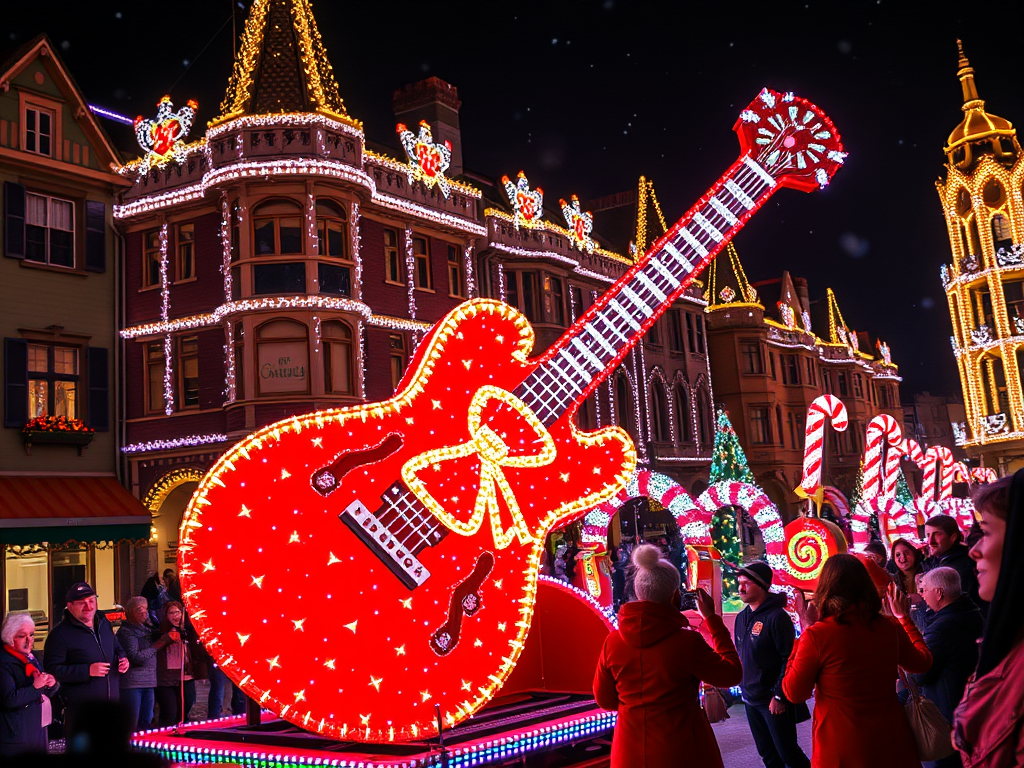
These occasions are also curated for the camera. Specialty snacks, spooky lighting, parade floats, and character costumes aren’t just for fun; they’re social media strategy. One fantastic photo op can do the job of 100 paid ads, especially when enthusiastic fans share it.
Seasonal events aren’t just a way to fill the calendar; they’re how theme parks stay culturally relevant, emotionally vibrant, and top-of-mind in a crowded amusement landscape. When done correctly, they create memories, generate buzz, and keep the story and the brand alive.

-
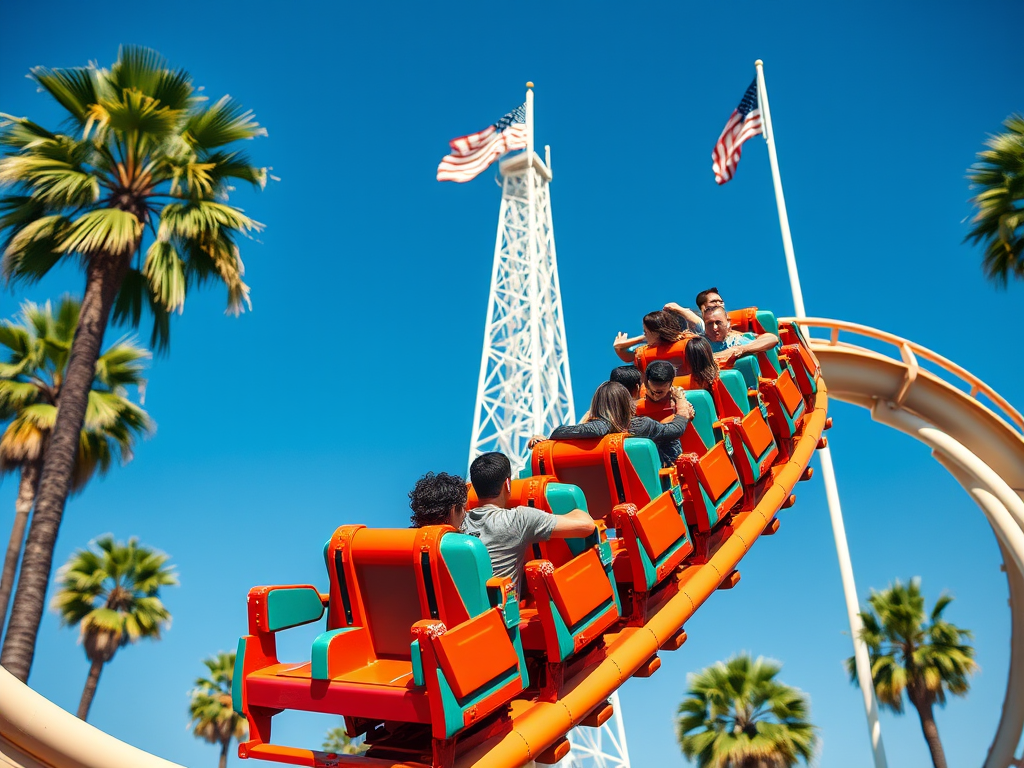
In a move that has left amusement park enthusiasts and local communities staggering. Six Flags Entertainment Corporation announced the permanent closure of Six Flags America and its neighboring water park, Hurricane Harbor, located in Bowie, Maryland. The park’s final day of operation is scheduled for November 2, 2025. This decision has come as part of the company’s strategic portfolio review, striving to optimize long-term growth by focusing on its properties that align more closely with its future objectives.
A Storied History
Initially, this amusement park opened in 1974 as Wild World. The park underwent several adaptations before being obtained by Six Flags in 1999 and rebranded as Six Flags America. Over the decades, Six Flags has been home to numerous attractions, including the notorious Wild One roller coaster, which dates back to 1917. The park has served as a significant amusement hub for the Mid-Atlantic region, pulling visitors from Maryland, Virginia, and more.

Economic and Community Impact
The closure will affect approximately 70 full-time employees, with Six Flags stating that severance and benefits will be provided to the eligible associates. Local officials have expressed concerns over the economic significance, stressing the park’s role in bringing in seasonal employment opportunities and contributing to the county’s tourism revenue.
Future Plans for the Site
Six Flags has worked with commercial real estate firm CBRE to market the 500-acre property for redevelopment. While specific plans have not been revealed, the company believes that repurposing the land will generate the highest revenue and return on investment. Community leaders advocate for developments that will help aid the local population, emphasizing the importance of inclusive and thoughtful planning.
A Time for Farewell
As the park enters its final season, guests are encouraged to visit and relive cherished memories. All 2025 season passes and tickets will be honored through the park’s closing date. This last season offers a chance to celebrate the legacy of Six Flags America and bid adieu to a beloved regional landmark.
A Note on the PR Strategy
From a public relations perspective, Six Flags navigated this closure with strategic care. Rather than quietly closing down the park, the company released the news months in advance, giving guests and employees time to process. By stating the decision around “long-term growth” and presenting redevelopment plans for the 500-acre site, they redirected the story from a loss to a forward-looking transformation.
They also leaned into nostalgia, setting up the 2025 season as a celebratory farewell, not just a finale, but a chance to honor decades of memories. This emotional framing allows maintaining friendliness, protecting brand reputation, and generating a positive buzz even through tough headlines.
It’s a reminder that even in closures, storytelling matters.
-
While most theme parks compete to build newer, taller roller coasters and louder thrills, Efteling, a beloved fairytale wonderland in Europe, is heading toward a more powerful goal: becoming climate-positive by 2032. This Dutch park’s sustainability initiative isn’t just about cutting emissions; it’s a total masterclass aligning environmental action with brand storytelling.
The Roots of a Green Fairytale
Founded in 1952 by the Efteling Nature Park Foundation, the park was built around the outdoors, preserving 89% of its 320 hectares as undeveloped forest and gardens. Efteling’s mission to “create unforgettable memories in a natural, enchanting environment” goes beyond marketing foolery; it is a guiding principle that shapes every corner of the guest experience and every decision behind the scenes.
In recent years, Efteling has committed to an incredibly ambitious environmental vision: climate neutrality by 2030 and climate positivity by 2032. This isn’t just simply surface-level sustainability. It’s an integrated initiative spanning solar energy (12,000+ panels powering nearly 1,750 homes), gas-free thermal systems, interactive recycling education, and even a zero-residual-waste target.
How Efteling Tells Its Green Story
The intelligence of Efteling’s CSR strategy lies in how it communicates within these efforts, not as errands but as part of the magic in and out. The campaign’s core message is authentic and emotionally resonant: “Preserving the magic for future generations.”
Efteling uses multiple platforms and touchpoints to share this message, such as:
ChannelExamplePurpose
On-site solar: panel displays, character-based recycling bins, Immersive education and brand alignment
Digital: Sustainability microsite, progressive dashboards, Transparency, and data access.
Events: 70th-anniversary climate pledges, Brand storytelling, and media attention
Reports: GRI-aligned sustainability disclosures, Investor/stakeholder trust
They’ve even gamified recycling through Holle Bolle Gijs, a beloved character who rewards guests for tossing trash. This playful integration is how Efteling turns passive CSR into participatory magic.

Is It Working?
Yes! And in ways that matter. Environmentally, Efteling already generates over 20% of its energy from solar power and diverts millions of pounds of waste annually. Socially, Efteling donates over 10,000 tickets each year to disadvantaged families. Economically, investments like their €3M battery storage system are reducing dependence on the grid while future-proofing their energy infrastructure.
Media coverage has also been favorable, with travel bloggers and sustainability forums spotlighting Efteling’s unique blend of ecological mindfulness and guest-centered storytelling. On social media, hashtags like #SustainableEfteling are gaining traction among fans who see the park’s efforts as a shared value and not just a corporate checkbox.
A Brand-Driven Strategy That Rings True
What sets Efteling apart is its sustainability vision, which perfectly fits the brand. The solar panels are designed to blend into the landscape. Storybook designs carry through the park, even in garbage systems. The messaging taps into nostalgia and responsibility: a reminder that the world we pass down should be as beautiful as the one we had as kids.
Still, some challenges remain. Efteling has yet to release comprehensive Scope 3 emissions data, and its reliance on carbon offsets until 2030 opens questions about long-term accountability. But overall, very few theme parks have created a cohesive, guest-friendly approach to sustainability.
Final Thoughts & Recommendations
Efteling shows that CSR is not separate from storytelling; it can be the story. Their success makes guests part of the mission, not just passive consumers.
- Develop AR park features that compare past and future climate impact (1952 vs. 2032).
- Release third-party verified carbon removal metrics post-2030.
- Increase supplier transparency for complete climate positivity.
In a world where greenwashing runs rampant, Efteling’s nature-first magic stands tall, quietly enchanting, and deeply responsible.
References
https://www.efteling.com/en/about-efteling/organisation/sustainable-enchantment

-
Universal has always had monsters in its DNA. From the eerie silence of 1931’s Frankenstein to the chaos of Halloween Horror Nights, the studio knows how to breathe life into the dead and how to thrill you in the process. With Monsters Unchained: The Frankenstein Experiment, they’ve stitched together something more ambitious: an attraction that doesn’t just scare you; it recruits you.
Warning: Spoilers to the ride!
Welcome to Darkmoor
This isn’t just a ride. It’s an experience that begins before you get in line.
In the dim village of Darkmoor, guests are drawn toward the daunting Frankenstein family estate, a looming gothic structure built from stone, iron, and pure dread. The moment you step into the queue, the atmosphere starts to work on you. The glowing eyes flickering in the dark, “found footage” clips are projected on cracked walls, and terrifying sounds tense every corridor. You’re not waiting; you’re being immersed in the home of horrors.
Meet Victoria Frankenstein
Then, the first preshow begins.
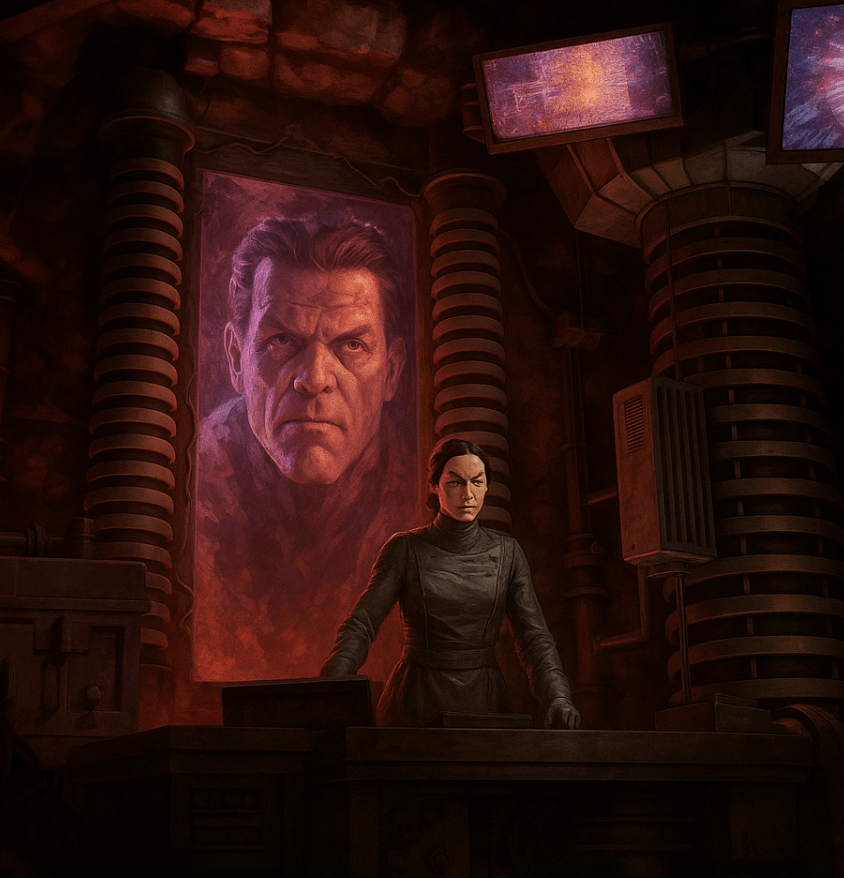
You’re introduced to Ygor, the ever-mad assistant to Dr. Victoria Frankenstein. He’s clearly crazed and very excited to show your fate, which only worsens when you go to meet the doctor herself. In the second preshow, Victoria Frankenstein, brought to life by a stunningly fluid animatronic, welcomes you into her family’s legacy. She goes on to show Her plan: to contain and control the most dangerous monsters in history. Her tone is confident, and her tools are powerful.
The doctor then introduces you to the nine-foot Frankenstein’s Monster, who appears before you. And that’s when you realize you’re already inside the experiment.
When the Experiment Breaks Loose
What follows is an unforgettable dash through monster-infested chaos, powered by the next-generation KUKA robotic arm ride system that tilts, pivots, and drifts you through one spectacular scene after another. You’re chased by the Wolf Man, burned by the Phantom’s blazing organ, and stalked by multiple Draculas, including one animatronic that swoops in for a finale so intense it leaves the rider in awe.
And through it all, you’re guided by Ygor, who reels you through the catacombs like the mad scientist he is. You’re not just watching the story unfold but part of it.
This Isn’t just a Ride
From a storytelling perspective, Monsters Unchained is pure genius. The set design, lighting, pacing, and effects combine to drop you deep into the action and keep you there. Every monster’s appearance feels deserved. Every twist in the story pushes the tension and story forward.
This isn’t just a “ride with a theme.” It’s a story told through motion, mayhem, and monster madness. It doesn’t just entertain; it immerses.
Fear to Fandom
From a public relations and branding standpoint, this attraction is a masterclass.

Universal isn’t just reviving its Classic Monsters. They’re reinventing them for a new generation. They’re transforming a cinematic legacy into a tactile, heart-pounding, deeply immersive experience. And they’re proving that IP storytelling still has claws when you commit to the guest journey, from the first flicker in the queue to the final scream.
In an age where screens often replace substance, Frankenstein’s Experiment is a fierce reminder that physical storytelling still matters and that the monsters we know and love can still surprise us.
Monsters Never Die
Monsters Unchained: The Frankenstein Experiment doesn’t just bring Frankenstein back. It gives him and his monstrous peers a stunning new era. Whether you’re a die-hard fan or a thrill-seeker looking for your next scare, this attraction stitches story, tech, and sensation into a ride that’s as unforgettable as it is undead.

-
Tucked into the rolling hills of Gilroy, California, the world’s garlic capital, is a theme park unlike any other. Gilroy Gardens isn’t about high-speed thrills or flashy fireworks. Instead, it’s about something a little more special and a lot more greenery: a place where families can explore, learn, and grow together. It’s part theme park, part botanical garden, and wholly magical.
What Makes Gilroy Gardens So Special?
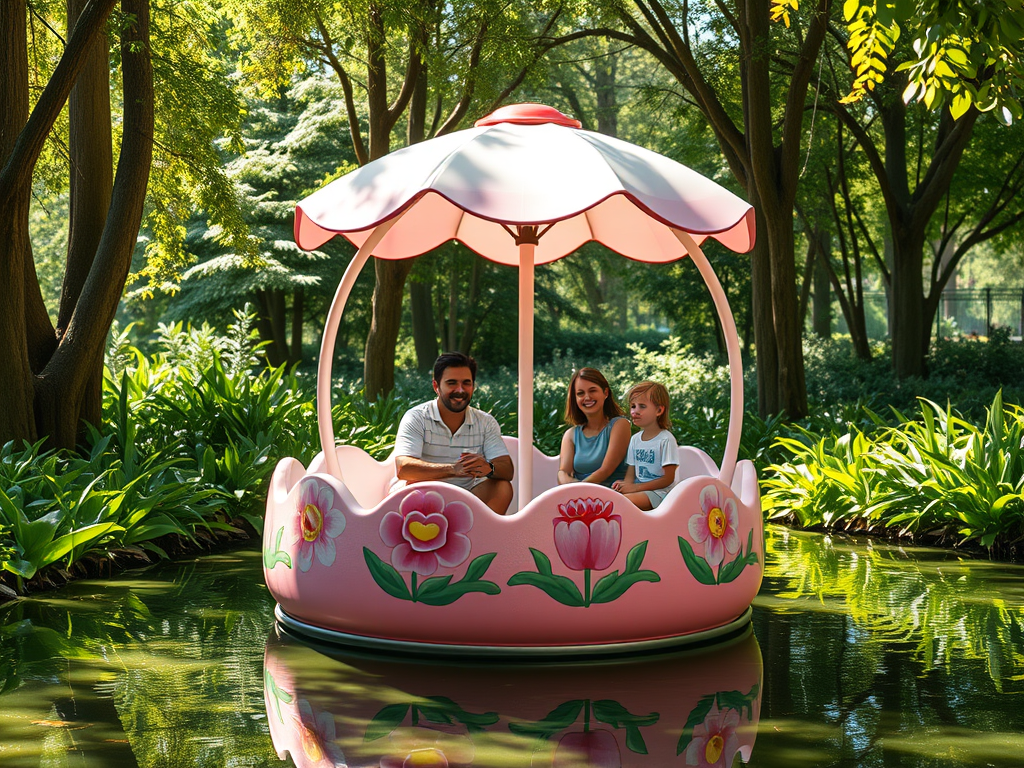
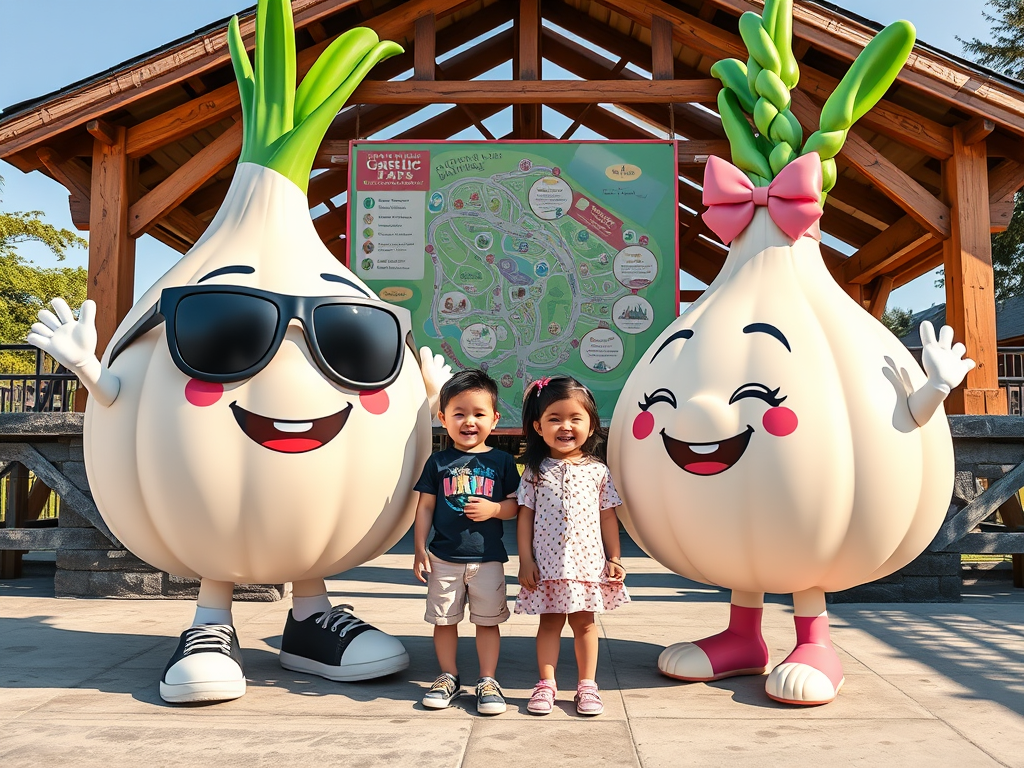
Initially opened in 2001, Gilroy Gardens was the idea of Michael Bonfante, who loved trees so much that he spent years shaping them into wild and whimsical art pieces. These “Circus Trees,” with their spiral trunks and looped branches, are still one of the park’s biggest drawing attractions. And though there are over 40 rides and attractions within Gilroy Gardens, everything is designed to fit into the natural landscape. Think of spinning garlic bulbs, flower-themed rides, and the peaceful paddle boats floating through tree-lined canals.
It’s charming, quirky, and built around one big idea: that nature is something worth educating and celebrating.
Yes, They’re a Nonprofit
Since 2008, Gilroy Gardens has operated as a 501(c)(3) nonprofit organization, meaning they are much more than ticket sales. Their mission is “to inspire a love of horticulture and a greater appreciation for the natural world through fun and family learning.”
So, what does that look like?

- They offer educational field trips with science-based lesson plans for K–8 students
- Their Learn’ n’ Grow program connects kids to hands-on lessons about plant life and sustainability
- They make the park accessible to local schools and community groups, keeping prices low and learning opportunities high
You can read more about their mission here!
https://www.gilroygardens.org/support/
Why It Works
Gilroy Gardens fills a very unique space in the theme park world. It’s gentle, immersive, and designed with families/ nature lovers in mind, especially those with younger kids or sensory sensitivities. Instead of long lines and loud noises, you get flower-lined paths, educational garden spots, and shade-covered picnic areas.
As someone who loves amusement parks and storytelling, I admire how they’ve built an experience around respect, serenity, and curiosity. Gilroy Gardens isn’t just entertaining guests; it is helping them connect to the environment around them.
In Short:
Gilroy Gardens perfectly blends family fun and a deep love for nature. As a nonprofit, they focus on education, community access, and creating enchanting memories in a peaceful, garden-filled setting. It’s a theme park where growing, learning, and playing happen.
-
Before you see Sleeping Beauty Castle, you smell it. Smell all of the baked goods, the coffee floating over, and the overall intoxicating smell of Disney. These are the smells that make Disneyland more than just a theme park; they make it a fully immersive experience.
Disneyland is famous for its “Smellitzers,” scent projectors that help shape guest experiences through fragrance. This isn’t just magic; it’s sensory marketing! Our noses play a decisive role in memory, emotion, and brand loyalty; Disney knows how to tap into that. According to News In Health, smells can influence our memory, mood, and emotions.
Here’s my personal ranking of Disneyland’s most unforgettable scents:

- Pirates of the Caribbean Water
It’s damp, musty, and undeniably the best use of Bromine ever. Instead of chlorine, Bromine is used to create that oddly comforting smell within the water. The water smell is so beloved that fans have recreated it at home with candles, wax warmers, perfumes, and more. (I have a candle myself!) This scent feels like you’re about to be out of line and in a boat with Davy Jones.

2. Candy Palace Vanilla
The smell of fresh fudge and sugar cookies drifts out of the Main Street confectionery; it’s like stepping into a holiday card. Sweets here don’t just smell good; they taste incredible, and their designs are truly impeccable. The scent alone gathers crows to see what the Imagineers are making, which makes a whole ecosystem of people smell, watch, and then buy the sweet treats.
3. Soarin’ Over California / Around the World
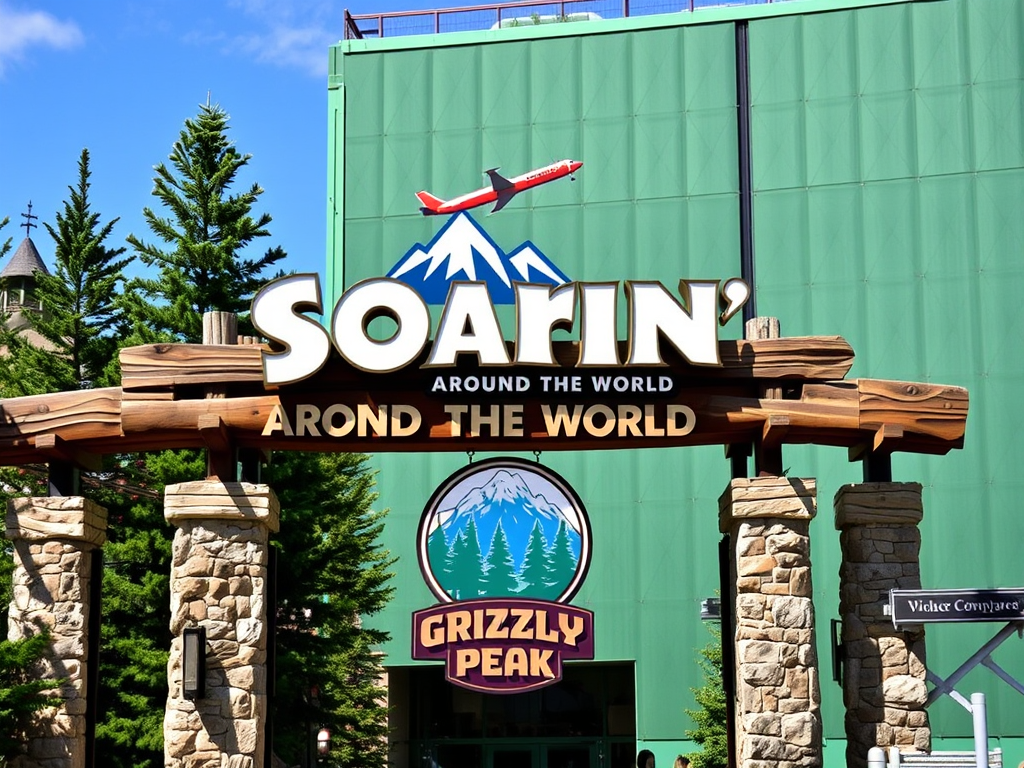
Whether you’re flying over the orange groves or the Great Wall of China, Soarin’ is a scent masterpiece. The ride is famous for syncing motion, visuals, music, and smell into one seamless ride. I still dream of the original California version with its iconic citrus grove scent. Still, even the updated global version features floral notes, ocean mist, and their new fan favorite: fresh-cut grass. A ride rarely makes you breathe in the story.


Haunted Mansions doesn’t pump in its smell, but the sensory experience doesn’t stop at the freezing rooms and stretching rooms. Step through the hallway and a swirl of musty old houses and rainstorms greets you. It’s a weirdly delightful combo, especially with its contrast from the rest of Disneyland.
Still, the most iconic smell of Haunted Mansion is when the gingerbread house comes in during the holiday season. The gingerbread house will have me sitting forward in my doom buggy to get another breath of the intoxicating smell.
5. The Snack Stands That Steer You
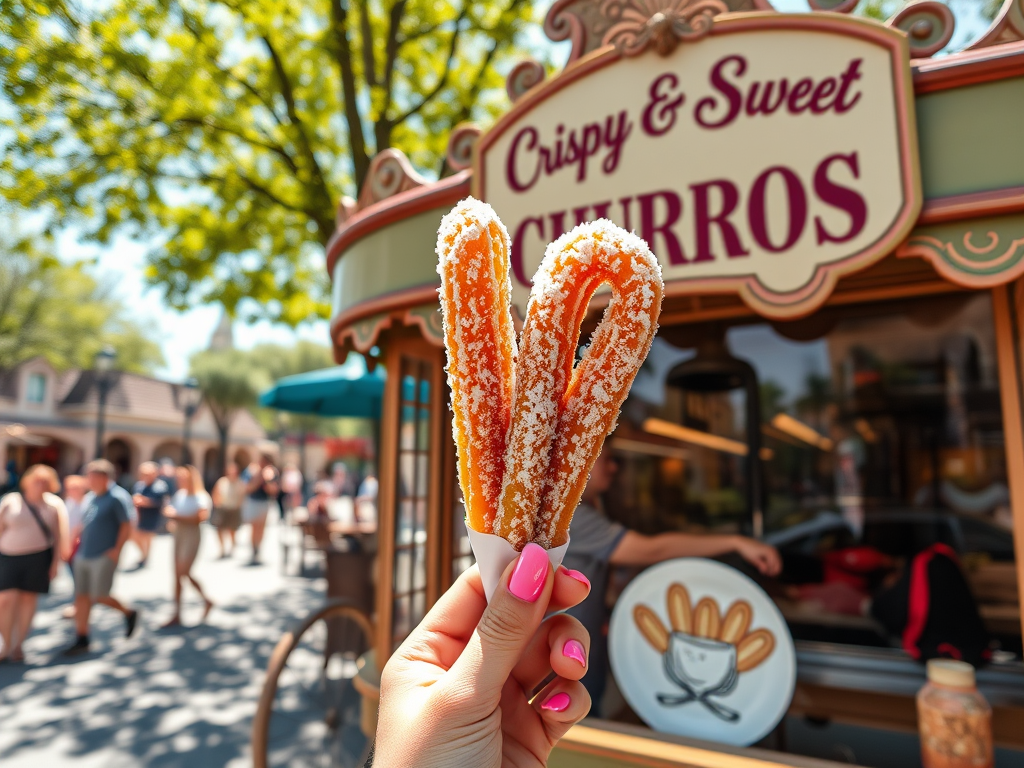
One thing you should never do at Disney is underestimate the power of a churro cart. Disneyland’s snack stands aren’t just selling food; they’re broadcasting scent signals that help define each land’s aesthetic. They will greet you with a swirl of churros, popcorn, ice cream, cotton candy, and that sweet-yet-toasty aroma from the surrounding snack stands
- Fantasyland? Cotton candy and caramel apples.
- New Orleans Square? Beignets, popcorn, and café au lait.
- Frontierland? Smoked turkey legs and roasted corn.
Each smell acts like a breadcrumb trail that leads you deeper into the magic. Disney uses scent-like techniques—sometimes subtle, sometimes strong, always carefully tuned.
The Science of Smell in Storytelling
Want to learn more about how companies like Disney use architecture to hide Smellitzers and enhance brand experience? This article from D23 explores the whole story of how Disney came to be!
The Final Whiff
Disneyland is full of sounds, sights, and thrills, but the smells are the true unseen piece of immersion. Whether it’s the crisp scent of churros or the eerie air of Haunted Mansion, the smell helps turn a visit into an unforgettable experience.
What’s your favorite Disneyland smell?
https://d23.com/disney-history/


 The Coscarelli Portfolio